Young People, Work and Opportunity: The Role of Oracy
Talk The Talk
‘Nearly one million young people aged 16 to 24 in the United Kingdom are not in education, employment or training.’ (NEET)
The Government commissioned Young people and work interim report, opens with this bleak sentence. The report, independently led by former Cabinet Minister, Alan Milburn, was similarly described by the Prime Minister as ‘sobering’ and reignites an important conversation around the challenges facing so many young people as they move from education into employment.
The scale of the challenge at a glance:
• One in 8 young people are NEET, and this is rising
• 1,012,000 or 13.5% of all people aged 16 to 24 years in the UK were NEET in January to March 2026. (Office for National Statistics)
• 6 out of every 10 young people who are NEET, have never been employed
• Nearly 60% of young people who are NEET now are economically inactive (not seeking or available for work)
• The review estimates the cumulative annual cost to our country of almost 1 million NEET young people at £125 billion
A tougher route into work
The report rejects the idea that young people lack ambition or motivation. Instead, it argues that many are navigating a labour market that has become increasingly difficult to enter. It is common to hear stories from young people describing the frustration of the applications ‘black hole’ – submitting hundreds of job applications and receiving little or no response. Other factors highlighted include a decline in entry-level roles, falling apprenticeship starts and recruitment processes that have become increasingly automated, creating greater disconnection between candidate and employer. The report also acknowledges that artificial intelligence and automation technologies are likely to add further pressure to the entry-level labour market. So for many young people, the report argues, the first step into employment has become much tougher to secure.
The impact of disadvantage
As with so many outcomes in education, employment and wider society, those that are disadvantaged are disproportionately affected. The report highlights that disadvantage remains a key driver and points out that a divergent trajectory begins from early years, with the probability of later becoming NEET rising to 25% for the most disadvantaged children.
Similarly, recently published (28 May 2026) DfE destinations data, also identifies ‘substantial differences’, based on disadvantage status, for young people being in education, apprenticeships or employment, with a gap of 18.9% between disadvantaged students and non-disadvantaged students 5 years after finishing key stage 4 study.
The Milburn report highlights how disadvantage accumulates over time and through a myriad of factors. Poor attendance, lower attainment, health and access to careers guidance can all increase the risk of becoming disconnected from education and work. It concludes that becoming NEET is not usually a consequence of a single event, but rather an outcome of barriers that have built up over time.
Preparing young people for the world of work
The report explores the multivariate factors that affect a young person’s likelihood of become NEET and advocates what we in education know and do our best to provide; that young people need more than qualifications alone. They need rich and consistent opportunities to grow in confidence, engage with employers and, crucially, develop the essential skills required to navigate interviews, the world of work or their next steps in education.
This is where oracy becomes so important. Communicating clearly, listening effectively, contributing ideas and presenting yourself with confidence and competence are key to success in interviews and function in the workplace or continuing education.
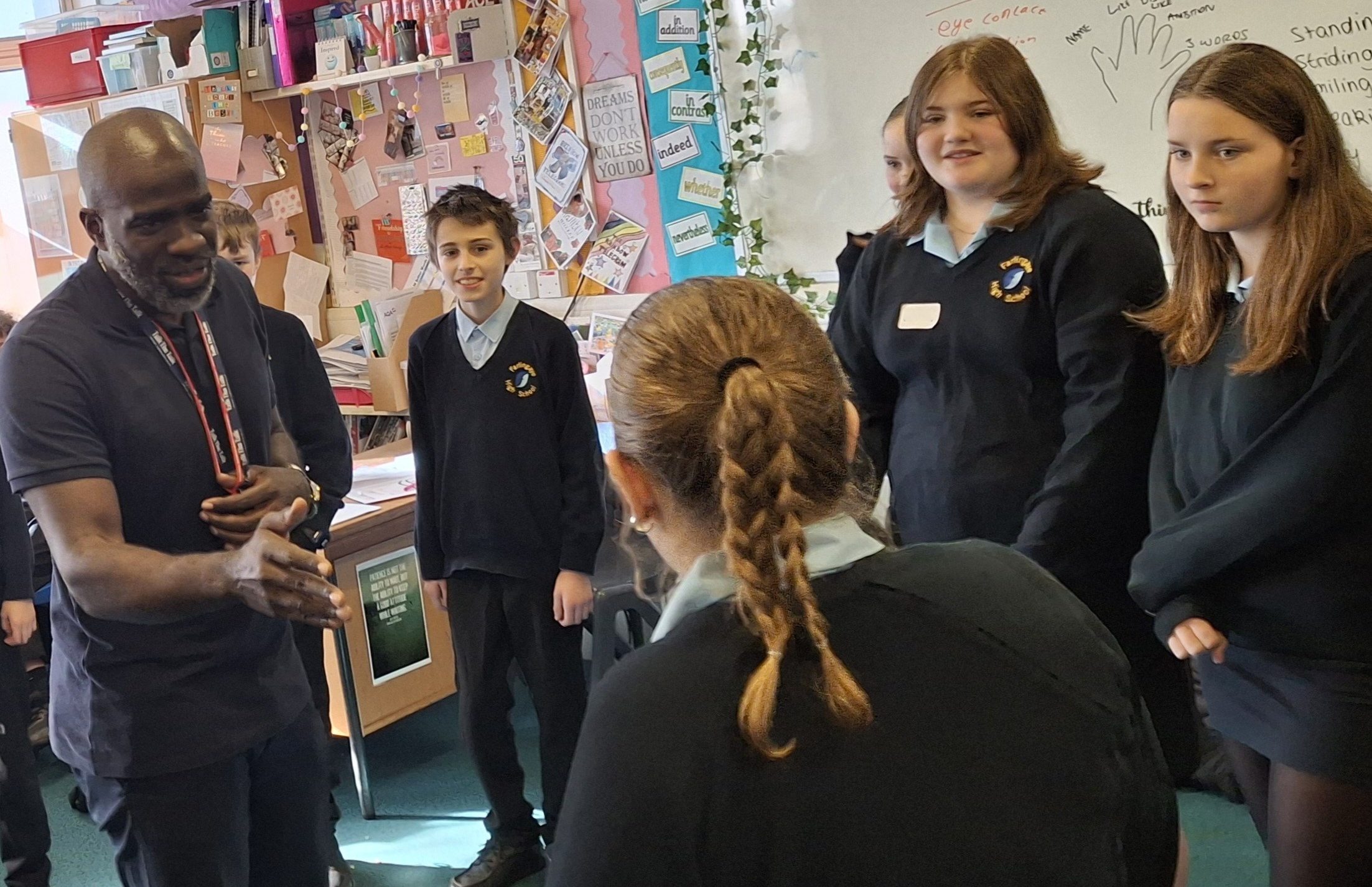
At Talk The Talk, we see every day how specialist oracy and employability experiences can support young people to develop these skills. We support young people to communicate with confidence, apply key oracy techniques and structure their talk with our workshop programme Talk About Communication. Whilst through our employability programme Talk About The Future, students practise interview techniques, develop self-presentation skills, strengthen their confidence and learn how to communicate effectively in professional settings.
As an interim publication, the Milburn report does not yet set out solutions to the issues it identifies. These will follow in the final report. So as policy makers consider how to respond to the findings, the hard and dedicated work that takes place supporting our young people must continue in earnest and the report rightly recognises that ‘schools and teachers are doing often heroic work to optimise the life chances of their students, especially those from disadvantaged backgrounds.’
At Talk The Talk, we will continue to strive through our workshop programmes to ensure young people have the confidence, communication skills and rich oracy opportunities to enable them to participate fully in the world around them. Because when it comes to young people, work and opportunity, having a voice matters.
Delivering oracy impact for your students
If you’re thinking about how to build students’ confidence in speaking and communication, we’d be happy to discuss how our workshop programmes could support your goals. Please do get in touch with us at info@talkthetalkuk.org or via our contact page here .
You can also look over our workshop programmes here: Talk The Talk workshops
Talk The Talk
You can view the interim report on the government’s website here:
Link: Young people and work interim report
Categories: Uncategorised
Tags: CPD, employability, essential skills, NEET, oracy